
Behavioral Support Services
Evidence-based, positive behavioral strategies that promote well-being and reduce barriers to independence.
Behavioral Support Services
Understanding, Not Just Managing
Compassionate, evidence-based strategies that address the root causes of challenging behaviors — built on the belief that all behavior is communication.
Our Behavioral Support Services are grounded in compassion and evidence-based practice. We work collaboratively with individuals and their support teams to understand the root causes of challenging behaviors and develop proactive, positive strategies. Rather than focusing on compliance, our approach prioritizes emotional regulation, communication, and quality of life so that every person can engage with the world on their own terms.
Our approach is rooted in the understanding that all behavior is communication. When someone engages in challenging behavior, it typically reflects an unmet need — sensory overload, communication frustration, anxiety, or a desire for control over their environment. We work to identify and address these root causes rather than simply managing surface-level behaviors.
We collaborate closely with each individual's broader support team, including therapists, psychiatrists, SDRC service coordinators, and family members. This ensures consistency across all environments and maximizes the effectiveness of behavior support strategies.
Crisis prevention is a core component of our services. We train staff in trauma-informed de-escalation techniques, environmental modifications, and early warning sign recognition. Our goal is to create environments where crises are prevented before they occur, and when they do happen, they are handled with dignity and respect.
What We Provide
- Comprehensive functional behavior assessments
- Individualized positive behavior support plans
- Crisis prevention and de-escalation training for support staff
- Collaboration with therapists, psychiatrists, and SDRC service coordinators
- Ongoing data collection and plan refinement to ensure effectiveness

Who This Service Is For
This service is ideal for:
- Individuals experiencing challenging behaviors that impact daily life or safety
- Adults whose current support teams need guidance on positive behavior strategies
- Families seeking evidence-based approaches to support emotional regulation
- Support staff who want specialized training in de-escalation and prevention
What to Expect
Here's how we get started:
Functional Assessment
A thorough evaluation identifies the triggers, patterns, and underlying needs driving challenging behaviors.
Behavior Support Plan
We develop proactive strategies focused on prevention, skill-building, and positive reinforcement — not punishment.
Team Training
All support staff and family members receive hands-on training in implementing the plan consistently.
Ongoing Refinement
Regular data review and plan updates ensure strategies remain effective as the individual grows and changes.

Why Choose Helping Hands Supported Living
Compassion-First Approach
We never use punishment, restraint, or aversive techniques. Our strategies are built on understanding, empathy, and positive reinforcement.
Team-Wide Training
We don't just write plans — we train everyone involved (staff, family, caregivers) to implement strategies consistently across all settings.
Data-Driven Results
Ongoing data collection and analysis ensures our strategies are working and allows us to make evidence-based adjustments.
Collaborative Model
We work alongside therapists, psychiatrists, and SDRC coordinators to ensure a unified, effective approach.

Frequently Asked Questions
What is a Functional Behavior Assessment?
Do you use punishment or restraint?
Who gets trained on the behavior support plan?
How long does it take to see results?
Can behavioral support services be combined with other services?
Ready to Learn More About Behavioral Support Services?
Every person's path to independence is unique. Let us help you find the right level of support — no pressure, no obligations.
Explore Our Other Services
Our services work best together. Many individuals benefit from a combination of programs tailored to their unique needs.
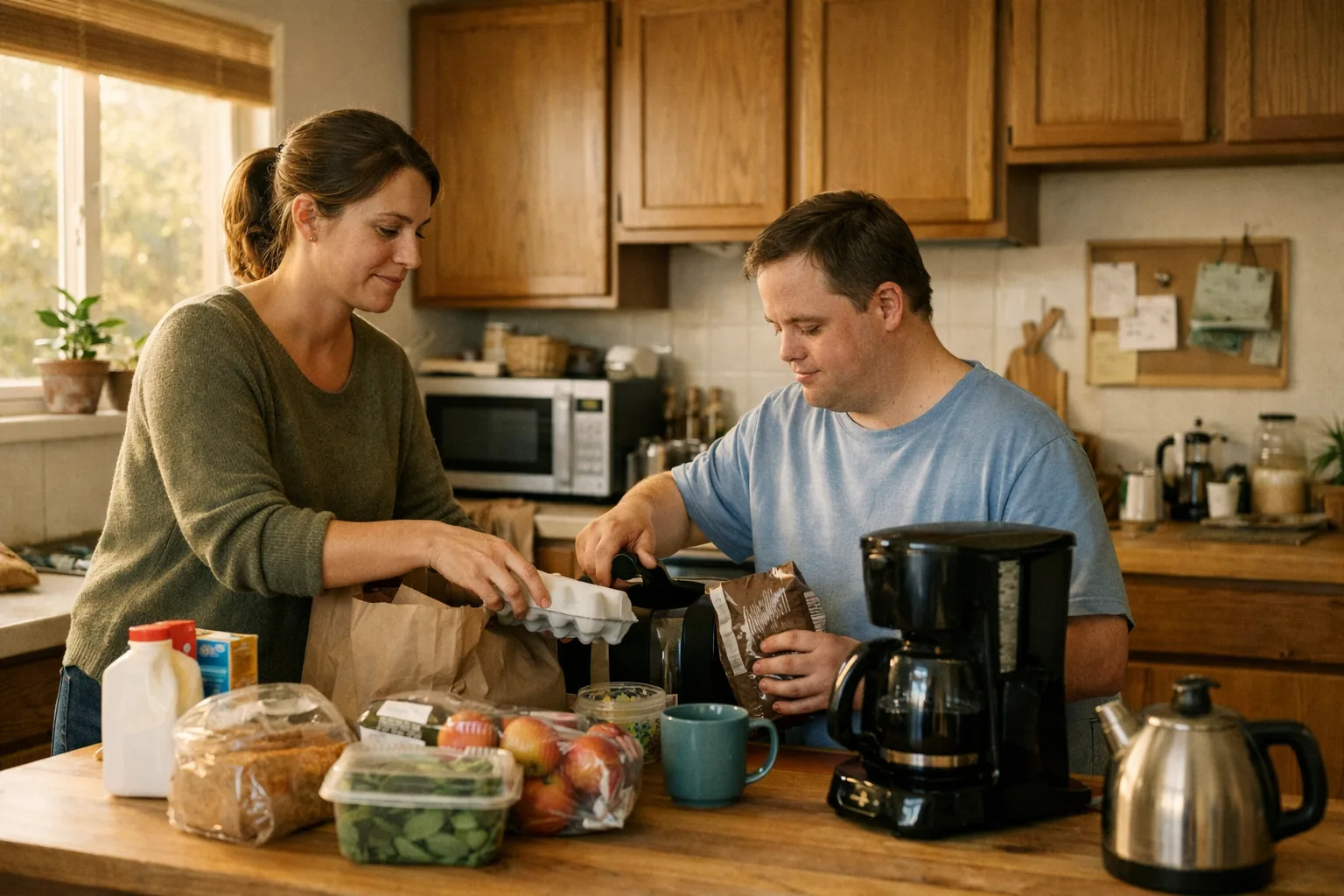
Supported Living Services
Personalized in-home support that empowers autistic adults to live independently in their own homes.
Learn more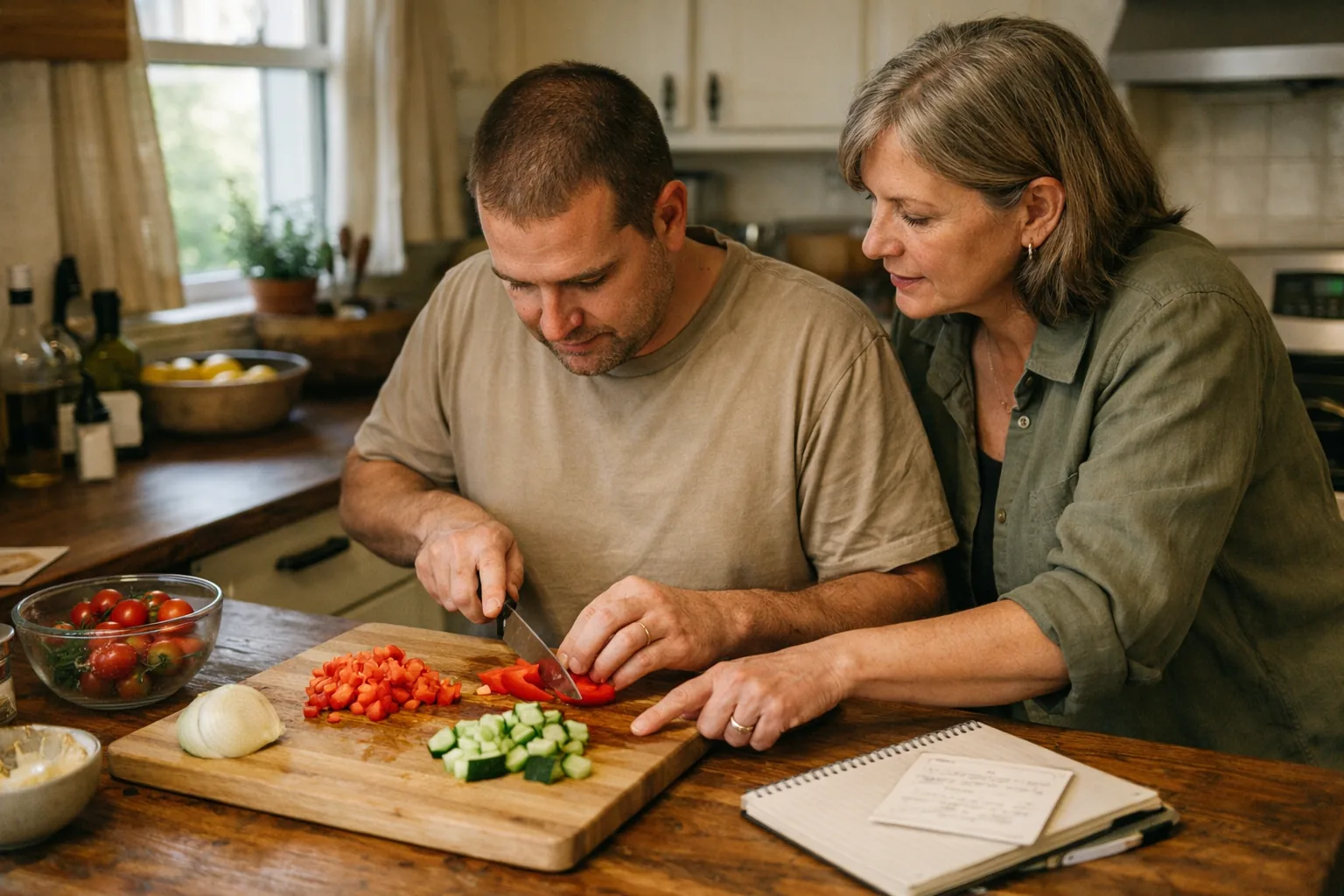
Independent Living Skills Training
Structured coaching in daily living skills that builds real-world confidence and self-sufficiency.
Learn more
Community Integration
Meaningful opportunities to connect, participate, and belong within the San Diego community.
Learn more
Respite Care
Reliable, compassionate temporary care that gives families and caregivers the rest they need and deserve.
Learn more
Transportation & Mobility
Safe, dependable transportation to medical appointments, community activities, and everywhere in between.
Learn moreFind the Right Support
Our team is here to answer your questions and help you navigate the path to independence. Reach out today — we're ready to help.